

Most people find their calling early. I found mine at thirty-three, on a borrowed sort of enthusiasm and a mountain bike I had no business riding the way I did.
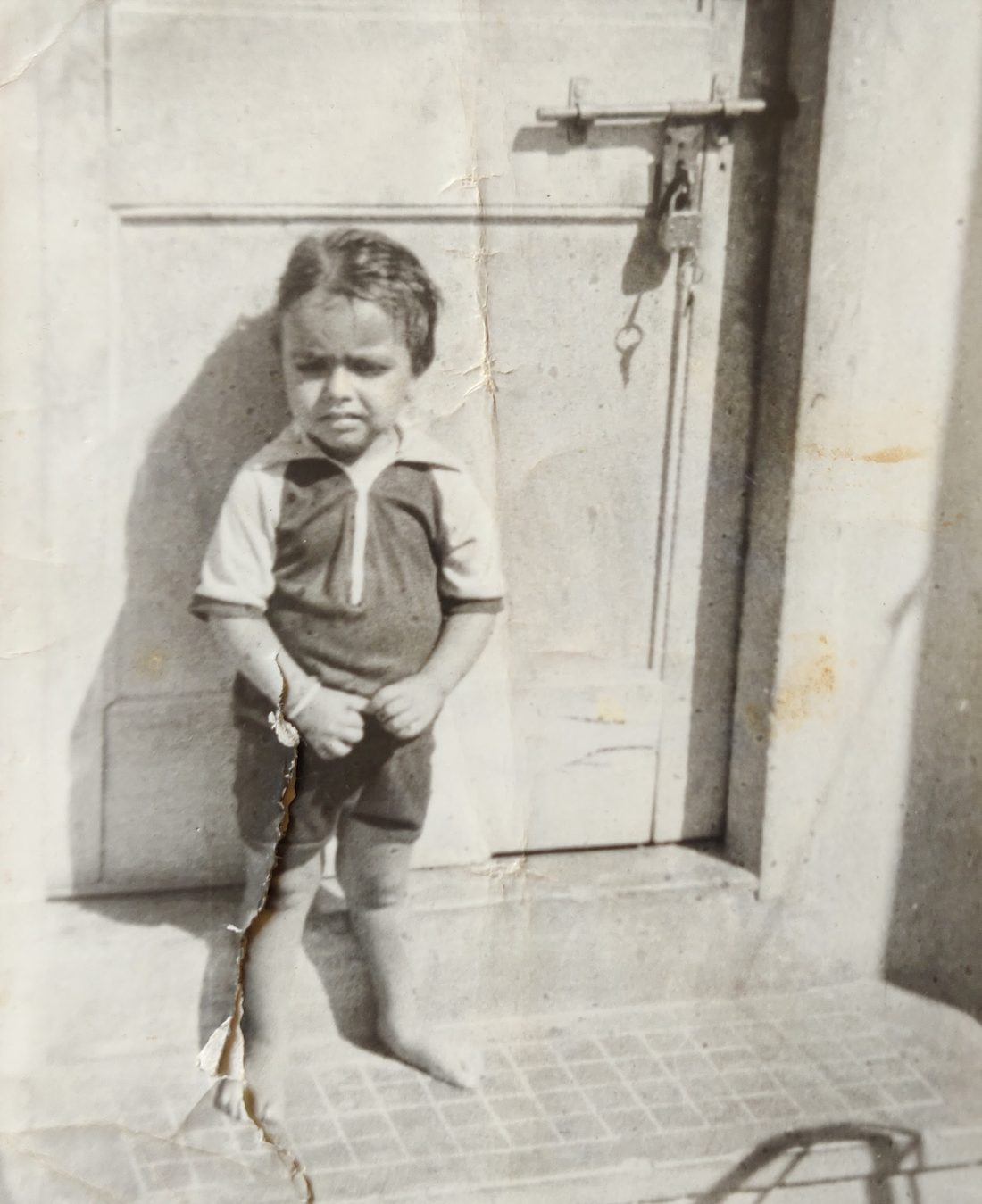
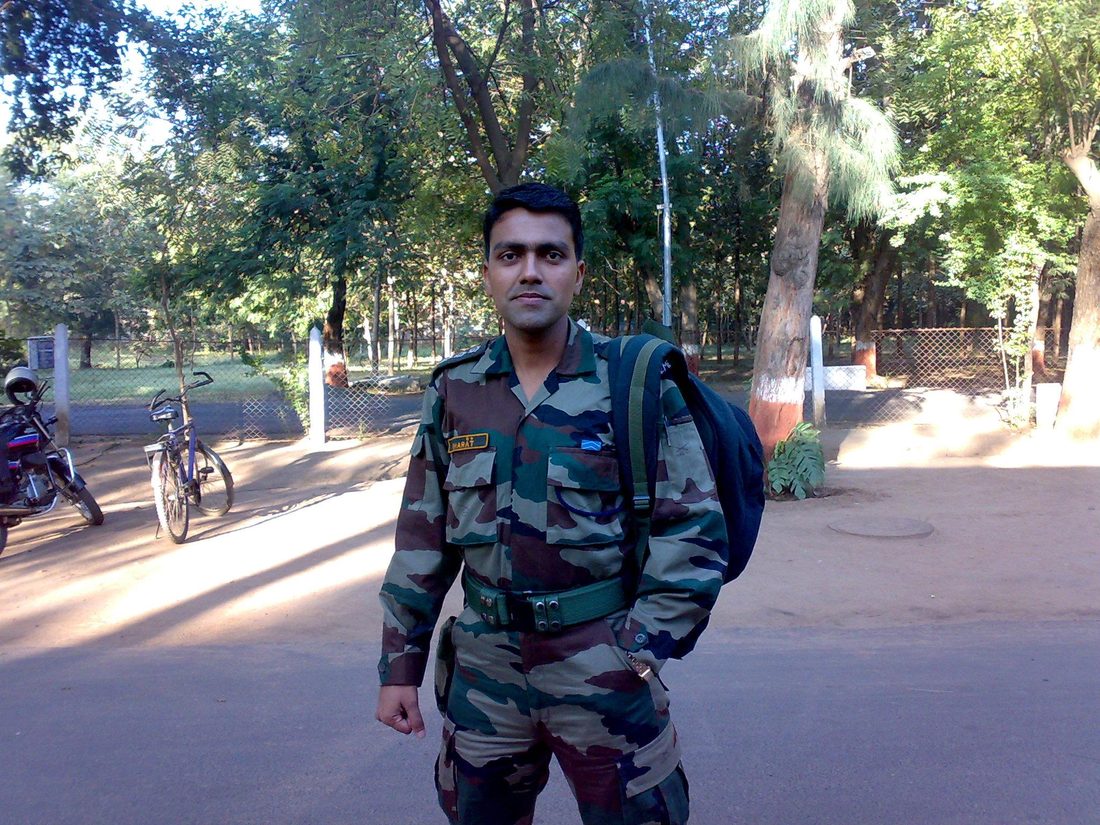
For most of my life I was a man without a sport. I come from an army family — the kind that packs up and moves every couple of years — so I grew up in motion but never quite toward anything. There was school, an engineering degree, a commission in the Corps of EME. Good work, a steady and comfortable life. If you had told that version of me that one day my name would sit next to the words "world record," I would have smiled politely and gone back to whatever I was doing.
Cycling arrived late, and almost by accident. I was posted in Jammu, playing badminton to stay fit, when a Raleigh mountain bike fell into my hands. I started riding it the way I did everything — a little too hard. Something about the simplicity of it caught me: just you, the road, and how much you were willing to suffer. But it stayed a hobby. It needed a push to become a life.
The turning point
That push was a transfer to Nashik in 2016. Within days of landing there I went looking for Colonel Srinivas Gokulnath, a RAAM veteran, registered for my first brevets, and met a man named Darshan Dubey who would become my crew chief and one of my closest friends. By the end of that first season I had lined up for the inaugural Ultra Spice, a thousand kilometres of racing, and finished it first. I was thirty-three, barely a year into the sport, and I had won.
I have thought about that year often. The progression was almost embarrassingly fast, and people sometimes ask what the secret was. There wasn't one. There was a late start that left me hungry, an army background that had already taught me how to be uncomfortable for long stretches, and the good fortune to meet the right people early. The rest was kilometres.
Going further
In 2017 a friend and I rode the Race Around Austria as a two-man team — 2,200 kilometres through the Alps — and became, I am told, the first Indians to finish an ultra-race in Europe. The Grossglockner at 2,500 metres in near-freezing rain was my first real lesson in how small a rider is against a mountain.
The following year I went to the Race Across America, not to ride but to learn. I navigated the follow van for Team Sea To See, the first visually impaired team to finish RAAM. You cannot watch that race from the inside and remain the same cyclist. It was also around then that TRACY MCKAY, my coach in the United States, entered the picture, and the idea of riding RAAM solo stopped being a fantasy and became a plan.
The years that test you
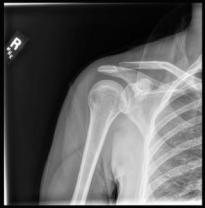
RAAM has tested me the way few things in life have. In 2019, twenty days before the start, I fractured my collarbone in a fall at Borrego Springs. The race was over before it began. That year, alongside the attempt, we ran the Go Green campaign and planted five thousand trees — one for every kilometre of RAAM I had hoped to ride. If I couldn't cross America, at least something would grow.
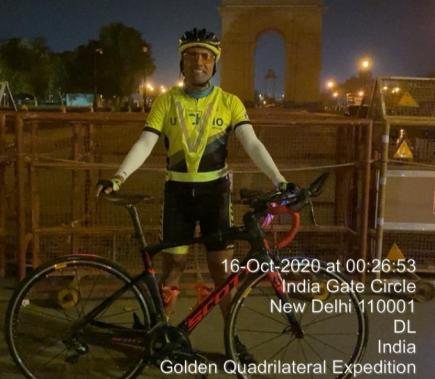
Then 2020 arrived, the year that was supposed to cancel everything. Instead it became the most productive stretch of my career. When RAAM moved indoors, I rode its virtual edition and finished third overall — the first podium by an Indian at an international ultra-cycling event, and a win in my age category. With that momentum I finished the Hoodoo 500 as a virtual ride — 41 and a half hours on the trainer — and then took that form outdoors, setting two records in quick succession: Manali to Leh in 35 hours and 32 minutes, and the Golden Quadrilateral — 5,942 kilometres, the great loop joining Delhi, Mumbai, Chennai and Kolkata — in 14 days, 23 hours and 52 minutes. Both went to Guinness.
In 2021 I rode India edge to edge, west to east, from Koteshwar in Gujarat to Kibithoo in Arunachal Pradesh — 3,800 kilometres in nine days and eight hours — another Guinness record. It joined the Kashmir-to-Kanyakumari ride I had completed in 2019, a little over eight days across the length of the country. Four world records, and a coach watching every split from half a world away.
But RAAM was still unfinished business. I went back in 2022 and had to stop after 4,200 kilometres, beaten by my own body. It would have been easy to decide that some doors are simply not meant to open.
Third time
In 2024 I crossed the United States from Oceanside, California to Atlantic City, New Jersey — 4,940 kilometres in 11 days, 23 hours and 35 minutes. Finisher, and winner of the Armed Forces Cup. It was my third solo attempt, and the first one that ended at a finish line instead of a hospital or a hotel room.
People ask me what cycling means to me. The honest answer is that it is the one place where my mind goes quiet. Out there, stripped down to effort and road, I feel free. It is the closest thing I have to meditation.
None of this belongs to me alone. It belongs to a coach, a crew that has lost as much sleep as I have, an Army that has backed me at every turn, and a family that made room for a strange, late-blooming obsession. I started this at thirty-three, certain only that I had begun too late to amount to much. I was wrong about that. If there is one thing my quest has taught me, it is that the starting line is wherever you decide to stand.
The ride isn't over. I'll see you on the road.